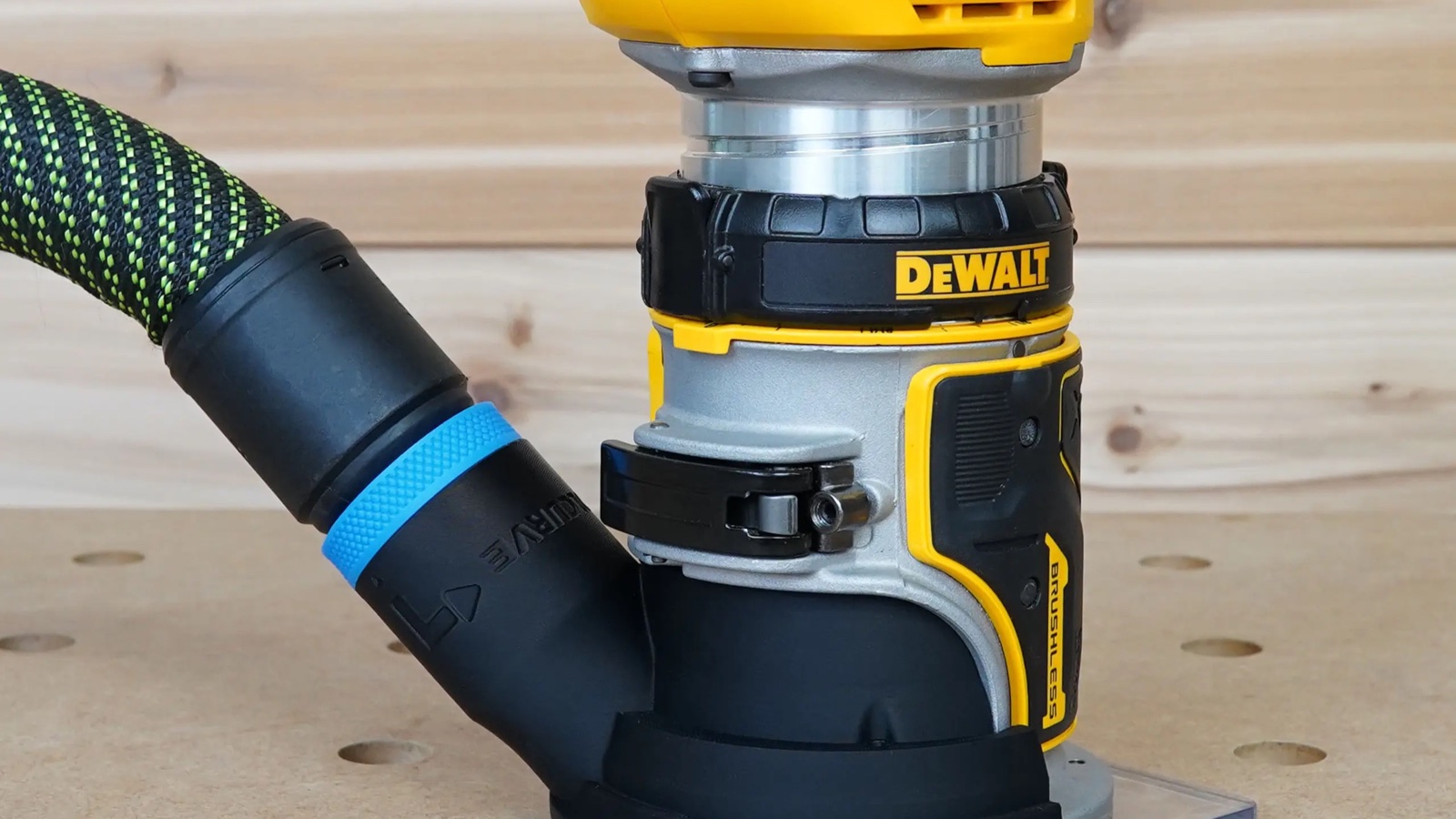
A DeWalt tool and a vacuum can both be sitting in your shop and still need a very specific part before they will work together. The dependable way to choose that part is to treat the connection as two separate fits: the adapter must match the exact dust port on the tool, and its other end must match the cuff on the hose you actually own. Vacuum brand alone is not enough.
That distinction matters because DeWalt uses different port shapes across sanders, routers, planers, saws, and drywall tools. Even tools in the same family can differ. A D26441 sheet sander has an oval port, for example, while DWE6411, DCW200B, and DCW211B each have current model-specific options. On the hose side, a Festool D 27 connection is not the same size as D 36, and the common 1-1/4, 1-7/8, and 2-1/2-inch wet/dry-vac sizes are not interchangeable.
The three checks to make before you order
- Read the complete DeWalt model number. Use the label on the tool, not a visual guess or a battery-platform name. Write down suffixes such as B or X when they appear.
- Identify the tool-side port. Check whether it is round, oval, a newer DeWalt Quick Connect-style port, a removable factory outlet, or a model-specific shroud. Compare the product-page installation photos with your actual tool.
- Identify the hose cuff. Look at the removable end that will meet the adapter. Match the listed 27 mm, 36 mm, 1-1/4-inch, 1-7/8-inch, or 2-1/2-inch variation only after confirming that actual cuff.
Do not measure the flexible hose body and assume that number is the connection size. Do not assume every hose sold for one vacuum brand has the same cuff. If your cuff is missing, modified, or hard to identify, send ToolCurve a photo of both the tool port and hose end before ordering.
Hose-side size guide
| Hose connection | What the label tells you | What to verify |
|---|---|---|
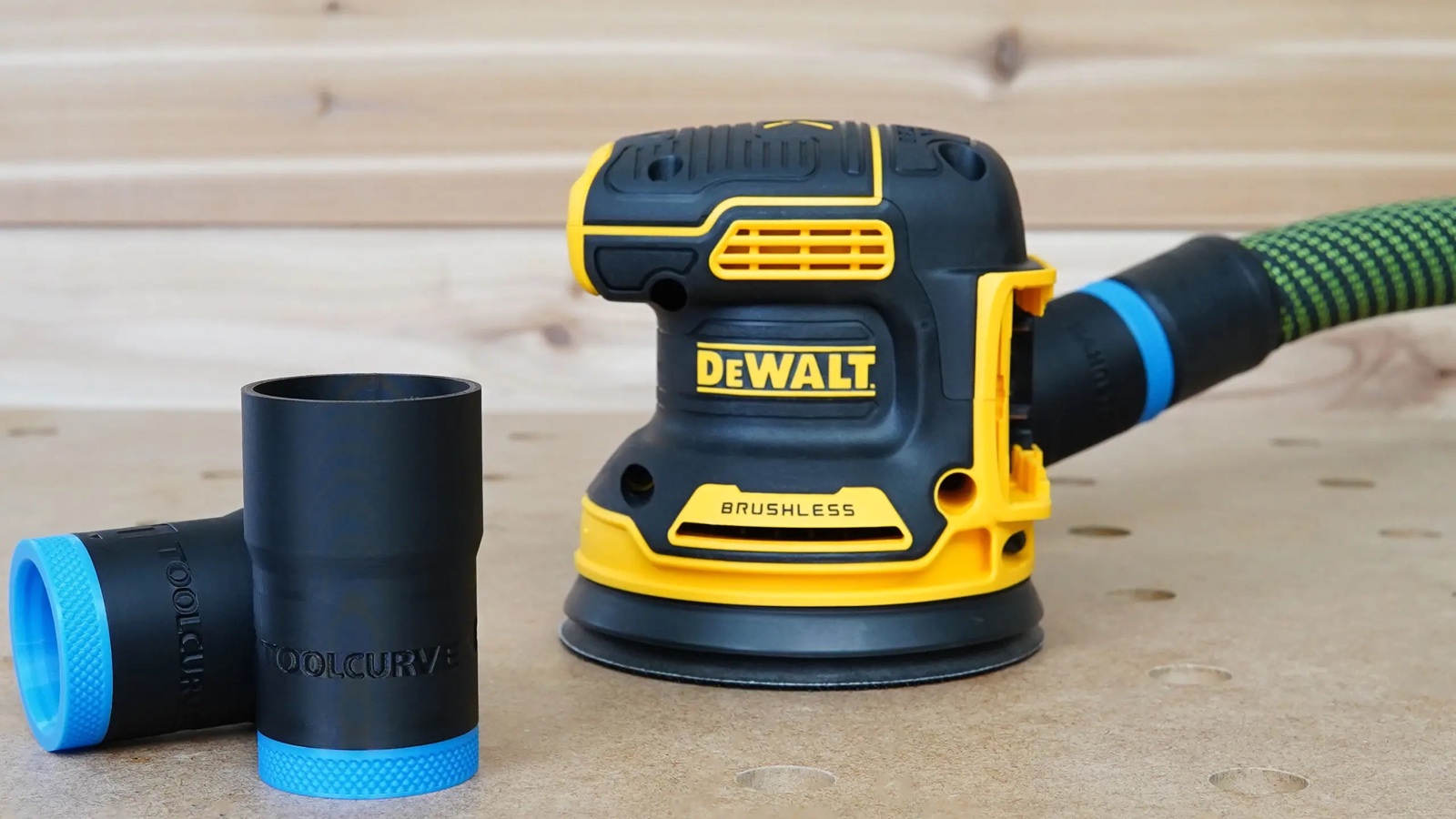
| Festool D 27 | Festool lists its current D 27 reducing sleeve at 27 mm (1-1/16 inch). | Confirm that the ToolCurve product offers a 27 mm variation and that your hose still has the expected D 27 cuff. |
| Festool D 36 | Festool lists the current D36 hose at 36 mm (1-7/16 inch). | Choose a 36 mm variation only when it is offered for the exact DeWalt tool adapter. |
| 1-1/4-inch shop-vac cuff | A standard-size option found on current ToolCurve listings. | Measure or identify the removable cuff; do not infer it from the vacuum brand. |
| 1-7/8-inch shop-vac cuff | A mid-size wet/dry-vac option found on current ToolCurve listings. | Check the cuff itself and the exact product variation before checkout. |
| 2-1/2-inch shop-vac cuff | A larger wet/dry-vac option found on current ToolCurve listings. | Confirm that the selected adapter offers this end; not every tool-side adapter does. |
The size names above identify the connection you are shopping for; they do not make every selected product universally compatible. Product variation menus can change, so the current product page is the final check. For a deeper explanation of Festool hose families, see Festool Hose Sizes Explained.
Choose the DeWalt tool side first
Sanders, drywall tools, and cut-out tools
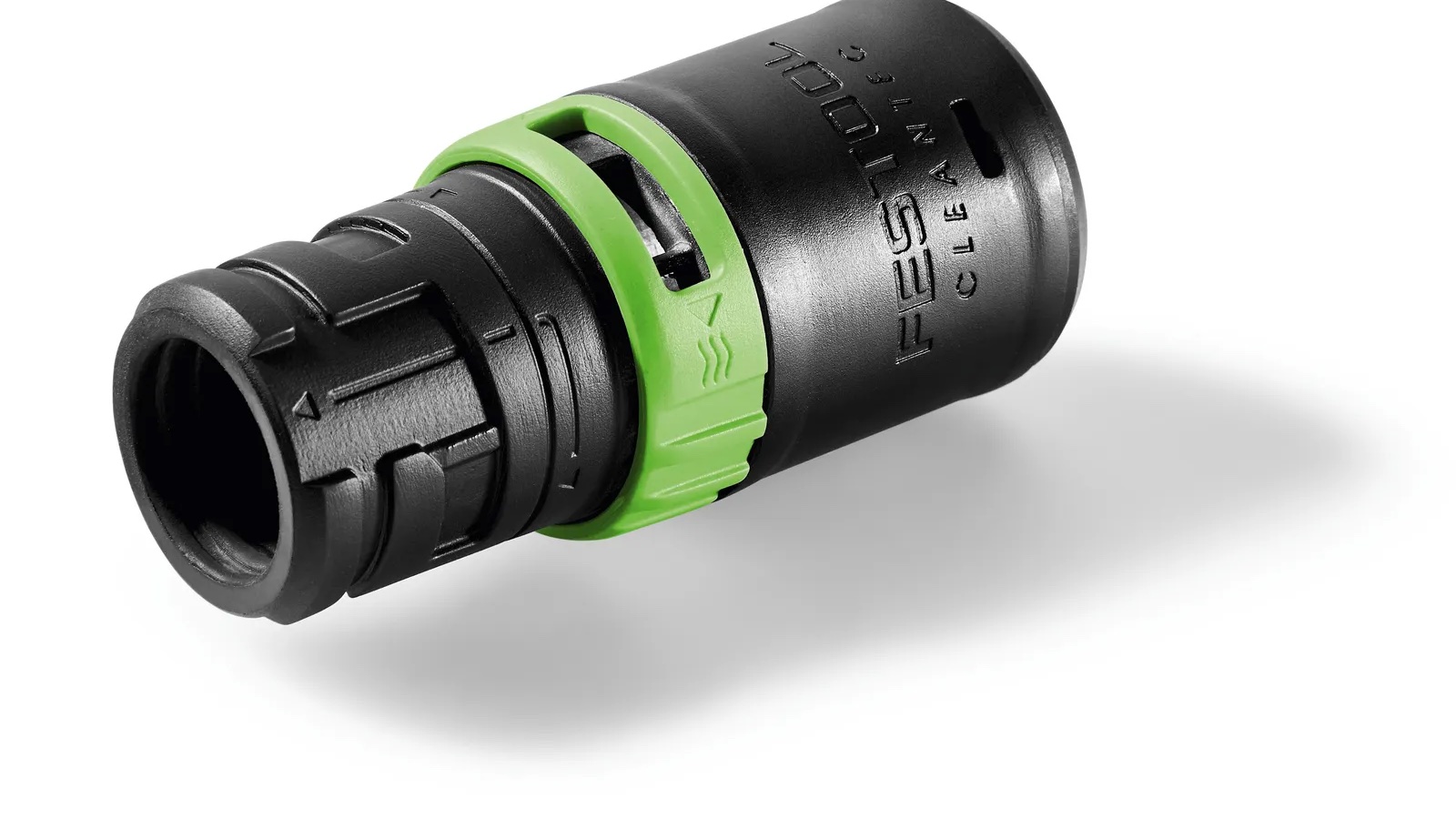
Start with the model label because the port exceptions are meaningful. The D26441 palm-sander adapter is specifically for the oval port shown in its photos. The DWE6411 adapter, DCW200B adapter, and DCW211B adapter are separate current listings. ToolCurve also carries a general DeWalt sander adapter whose current listing names DCW200, DCW210, DWE6411, DWE6421, and DWE6423.
Because those general and dedicated listings overlap, model name alone may still leave two plausible pages. Compare the pictured port and installation geometry, and ask ToolCurve to confirm before choosing if both appear to match. Additional current choices cover the 20V MAX XR belt sander, DeWalt disc sander, 20V MAX 9-inch drywall sander, 20V cut-out tool, and a second drywall cut-out-tool port. Treat those two cut-out-tool listings as distinct until the product photos confirm your port.
Routers and joiners
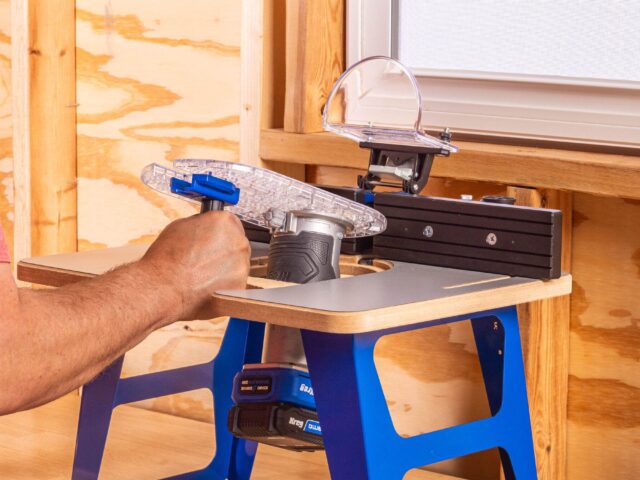
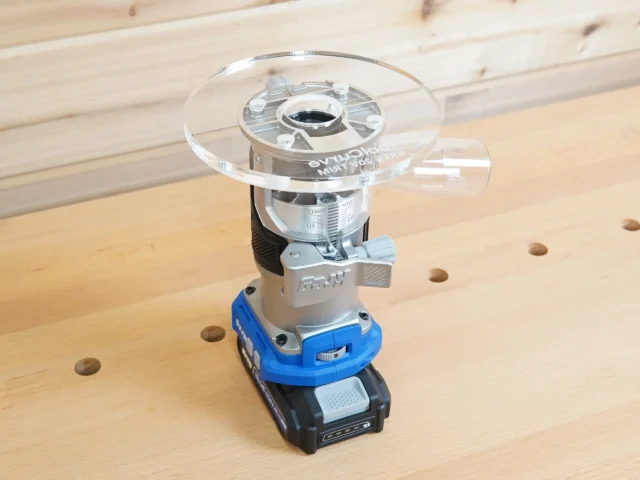
Router dust collection can involve either a simple outlet adapter or a replacement/added shroud. The trim-router hose-adapter cover adds a dust port at the base and is secured with the included screw; the trim-router hose adapter is a separate product. There are also dedicated listings for the DCW620B 2-1/4 HP cordless plunge router, DW616 and DW618 routers, and the DeWalt biscuit joiner.
A shroud or cover must match the base and fastener location as well as the hose. If the product requires replacing or securing a part, disconnect power and follow the tool and accessory instructions before installation.
Planers
The planer choices are model-specific: a 20V MAX cordless planer adapter, a DW734 side-port adapter, and a DW735/DW735X adapter. The DW734 and DW735 are not interchangeable just because both are benchtop thickness planers.
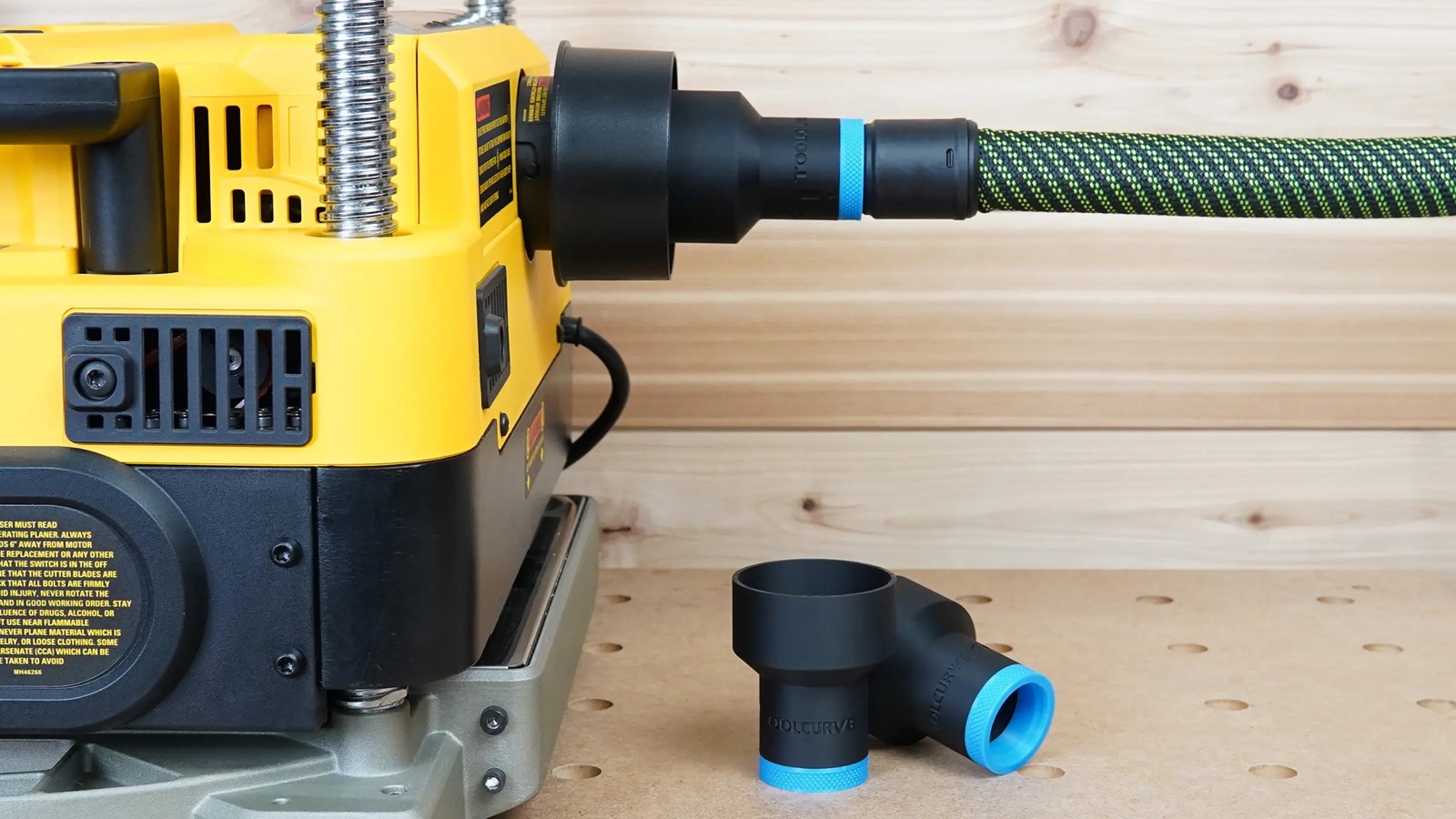
Table saws, miter saws, track saws, and circular saws
A table saw may have more than one collection point. ToolCurve currently separates the lower 2-1/4-inch rear-port adapter from the blade-guard dust-port adapter. A sawdust bucket adapter is a different approach: it hangs a bucket below the rear port and is intended for collection without a vacuum hose. Do not confuse it with a hose reducer.
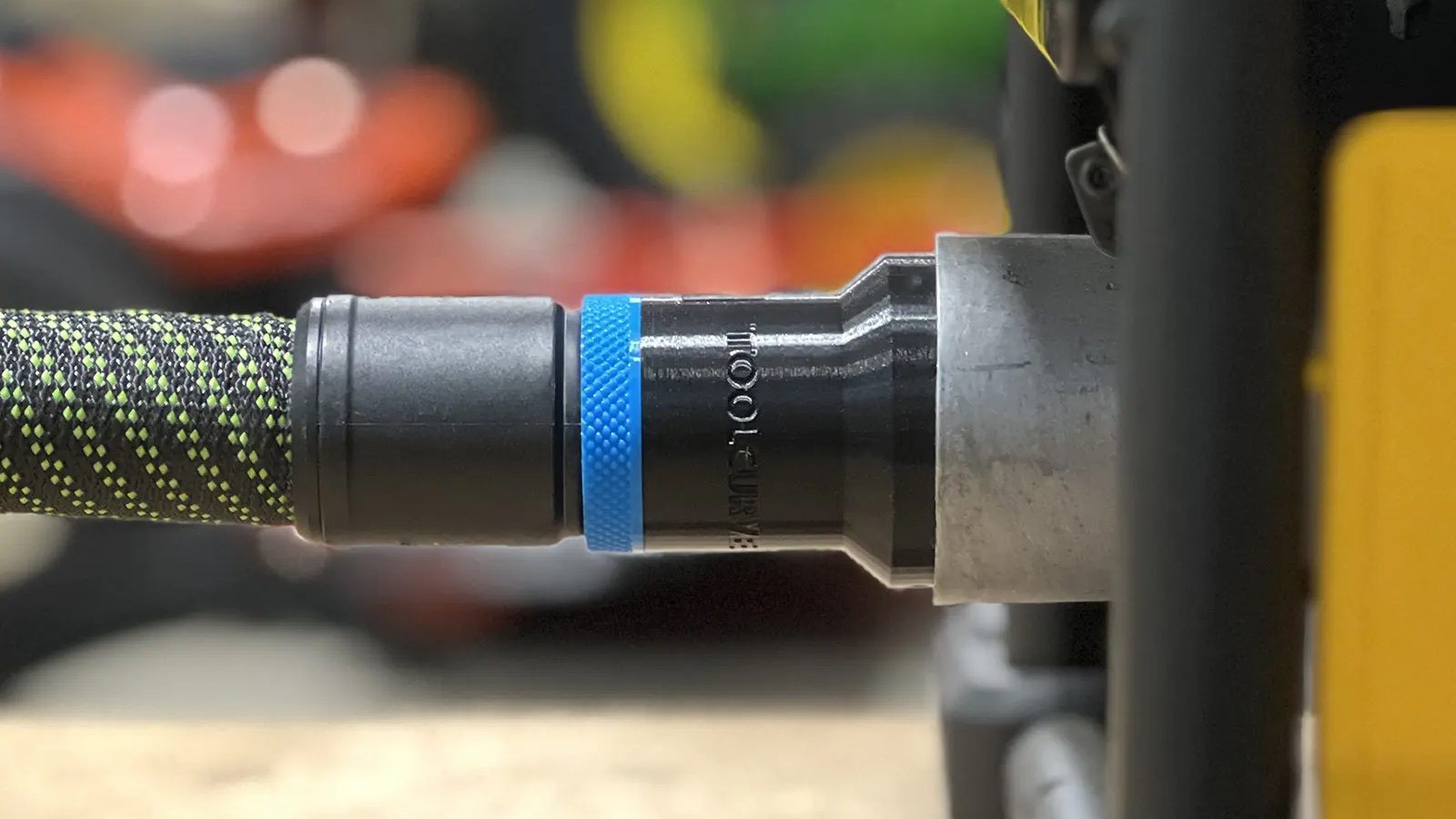
For miter saws, the current DeWalt miter-saw adapter lists DWS779, DWS780, DWS716, DHS790, and other saws with the newer pictured port. Verify the port photo even when your model is named. For more detail on one table-saw platform, the DWE7491RS setup and upgrade guide covers that saw without turning this adapter guide into a duplicate.
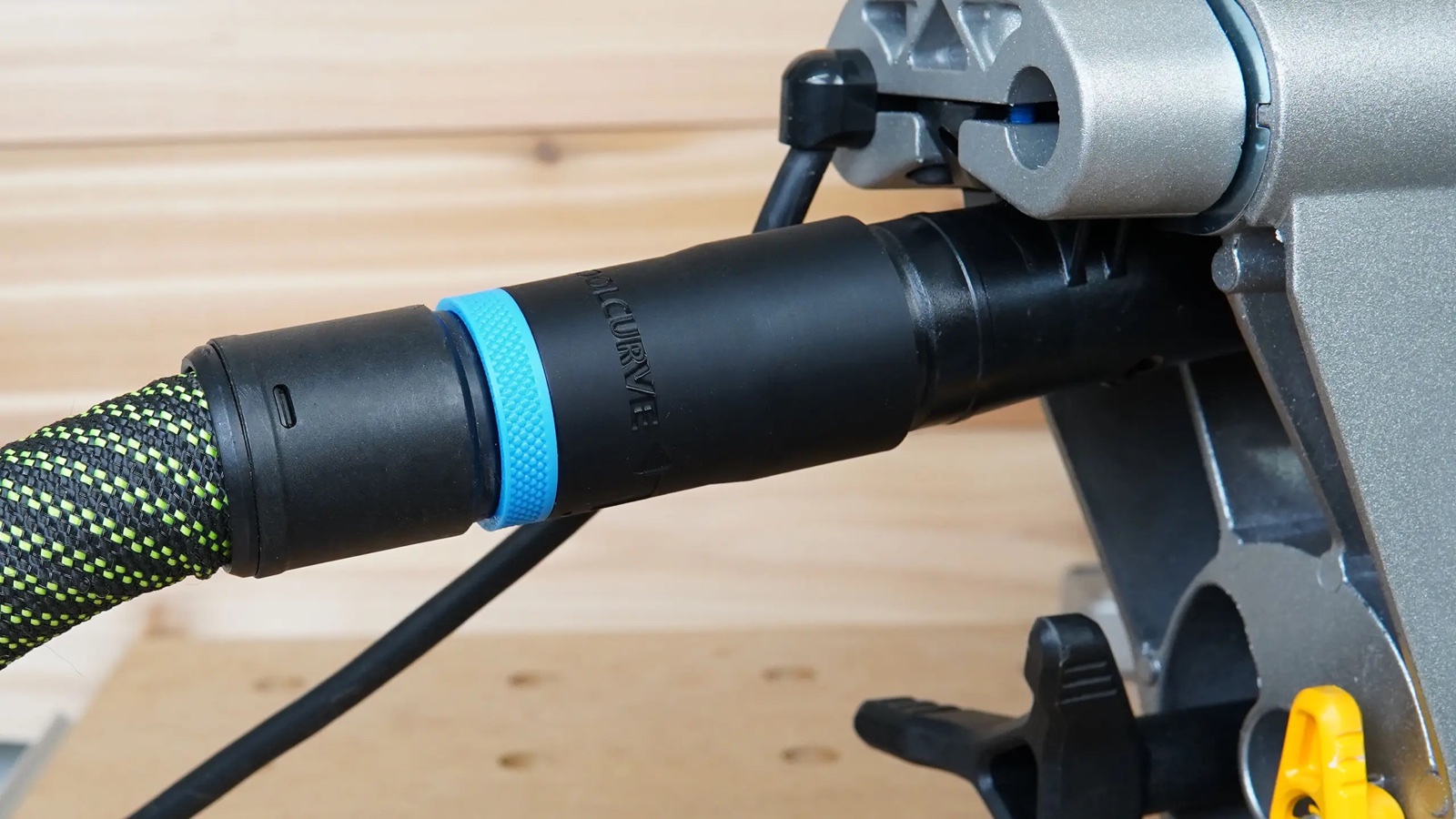
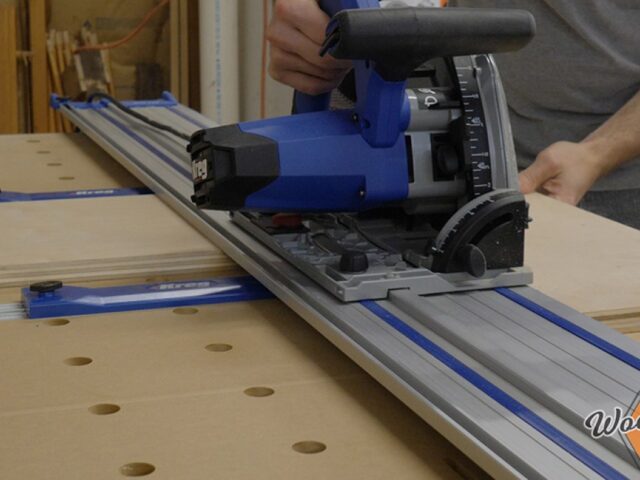
Track-saw users can choose the standard DeWalt track-saw hose adapter or the No-Snag replacement dust port. The latter replaces the factory swivel port and angles the hose away from the track; it is not merely a different hose-size reducer. A separate Atomic 20V 4-1/2-inch circular-saw adapter covers that rear port.
DeWalt Quick Connect tools
If the tool has the newer Quick Connect-style end shown on the product page, start with the ToolCurve adapter for DeWalt Quick Connect tool ports. That identifies the tool side; you must still select the version that matches your hose. DEWALT’s own support material uses the DWV9000 connector as a model-specific example for connecting certain sanders to a non-DEWALT 1-1/4-inch hose, which reinforces the same principle: verify both ends instead of shopping by brand name alone.
Fast selection checklist
- Photograph the tool label and the bare dust port.
- Photograph the hose cuff from the side and straight on.
- Match the exact tool model to one current product page.
- Compare the port shape, locking features, and installation photos.
- Select the listed hose-end variation that matches your cuff.
- Do not substitute a similarly named sander, planer, router, or saw adapter.
- After installation, check that the adapter is secure and does not interfere with guards, controls, or the workpiece.
The shortest path to a good fit is therefore not “Which adapter fits a DeWalt?” It is “Which adapter fits this exact DeWalt model and this exact hose cuff?” Answer those two questions in that order, and a Festool extractor or a conventional wet/dry vac becomes a straightforward hose-side choice rather than a guessing game.
Comments